Introduction
Many players can handle obvious short-term decisions, but they struggle when the position asks for planning. They see the current move clearly enough, yet do not fully see what that move creates one or two steps later.
This page is about planning in a way that stays practical under live pressure: clear enough to guide you, flexible enough to update.
What Is Strategic Thinking?
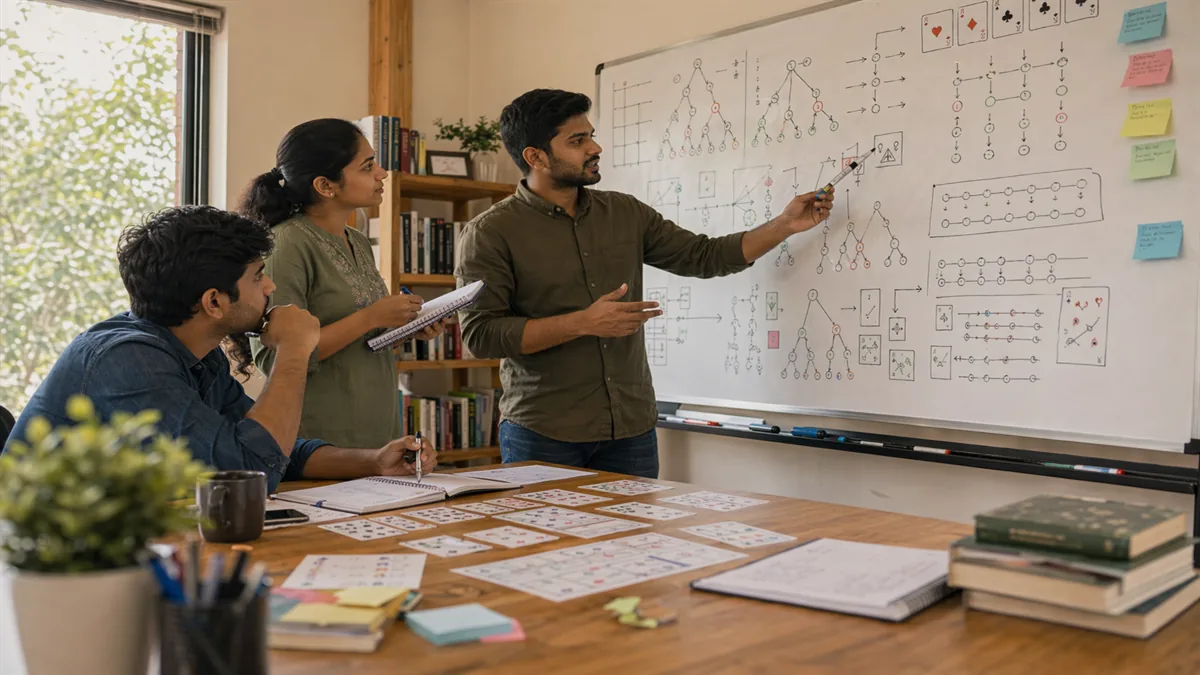
Strategic thinking is the process of choosing moves with the future shape of the session in mind. It means considering how a current decision affects later flexibility, pressure, control, and recovery.
How To Plan Better Without Becoming Rigid
1. Think in position shapes, not just single moves
Ask what kind of position you are trying to create: control, simplification, pressure, or flexible development. Individually reasonable moves can still combine into a poor overall shape if you never ask that question.
2. Let the current position set the plan
A good plan grows out of the actual position. A bad plan is imported from preference. If the position changes, the plan should be allowed to change with it.
3. Balance short-term gain against long-term cost
Some moves create immediate relief but quietly damage later flexibility. Strategic thinking keeps those future costs visible.
4. Plan around likely responses
Useful strategy is interactive. It considers how the wider session is likely to answer your move, not just what your own line looks like in isolation.
5. Keep a flexible branch in mind
Strong planning includes a calm adjustment if the preferred direction stops being supported. Rigid plans usually break first in messy sessions.
Real Session Example
A player reviews a rough stretch and realizes the problem was not one terrible move. The issue was a sequence of moves that all chased the same short-term objective while quietly damaging future flexibility. The plan had momentum, but it had no good branch once the environment changed.
How To Improve Strategic Thinking
- Write what your plan was before the turning point.
- Name the resource you were really trying to protect or improve.
- Write what changed.
- State the better branch you should have seen.
Those four answers usually reveal whether the plan was grounded or merely stubborn.
Common Mistakes
- Planning from preference instead of position.
- Chasing short-term gain that damages long-term shape.
- Ignoring likely responses.
- Refusing to update when the session changes.
- Using strategy language that is too vague to guide real play.
FAQ
Is strategic thinking only for advanced players?
No. Even beginners benefit from simple forward planning, especially if it helps them stop creating fragile next positions.
How far ahead should I think?
Far enough to understand the next shape of the position. In many real sessions, one or two steps ahead is more useful than forcing deep prediction.
Why does my plan collapse under pressure?
Often because it was too rigid or too abstract. It needs to be shorter, more position-based, and easier to update.
What page should I read after this one?
Skill Game Advanced Concepts is the next step once planning and adaptation already feel reasonably stable.
Summary
Skill game strategic thinking is the practice of shaping future positions more intelligently. When you plan from the actual position, respect future costs, and keep your ideas flexible, strategy becomes clearer and much more useful in live play.